

Christopher Allen — The Old Guardian
There is a website that still exists, quietly, at torontolandscorp.com.
It belongs to the Toronto Lands Corporation — the wholly owned subsidiary of the Toronto District School Board responsible for managing one of the largest public land portfolios in Canada. Its mandate, published on its homepage, reads:
“TLC’s mandate is to provide opportunities that ensure the well-being of TDSB students in modern and innovative schools, preserve public assets and collaborate to build complete communities where people live, learn, work and play.”
Students. Communities. Public assets. People.
The last news update on that website was June 2025 — the month the Ford government imposed provincial supervision on the TDSB and handed control of $20 billion in public school land to a Minister who, it turns out, sees things rather differently.
What the TDSB Actually Built
The evidence is not anecdotal. It is documented.
In the weeks before supervision was imposed, the Toronto Lands Corporation was executing the most ambitious phase of its community asset strategy in the organization’s history. Three separate initiatives were in active development simultaneously, all documented in official TLC updates published in June 2025.
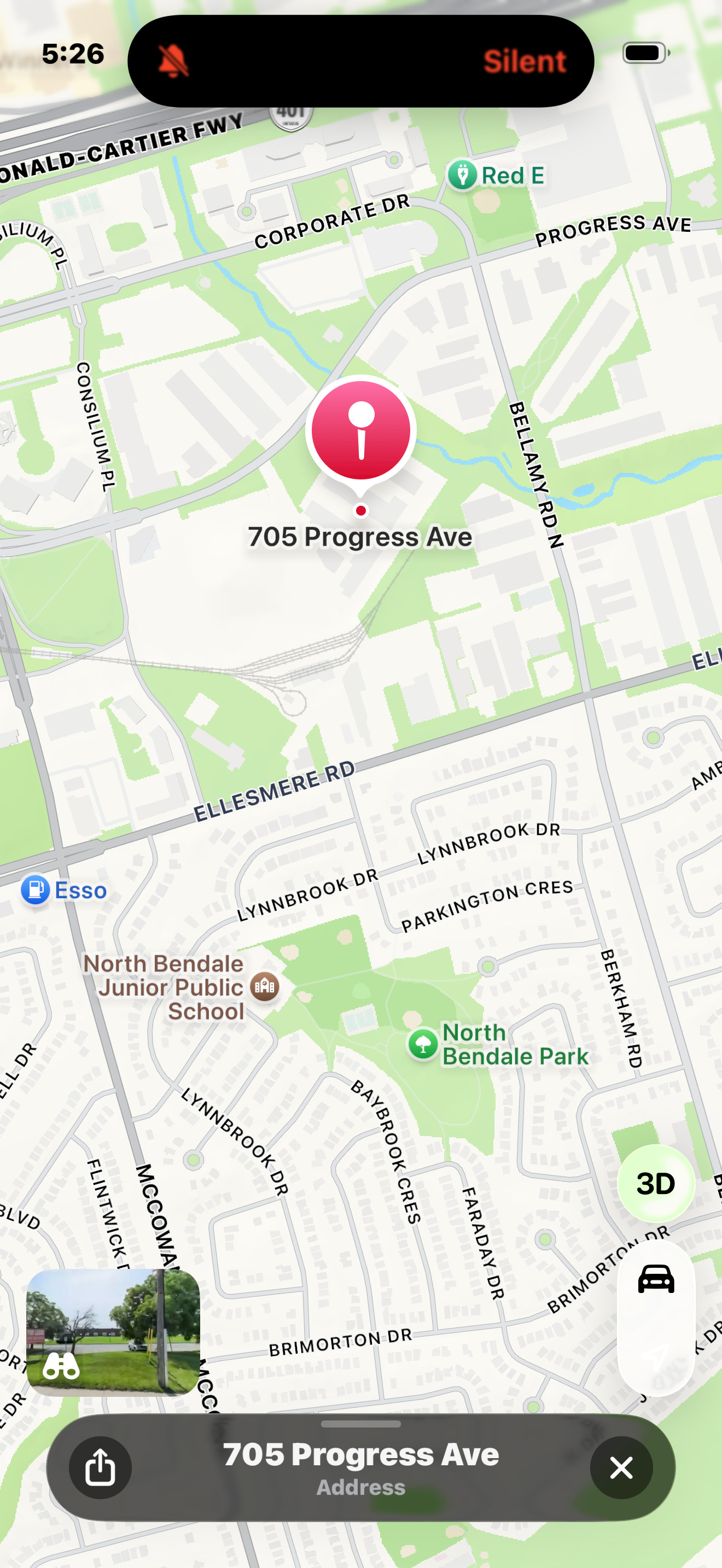
On June 10, CreateTO — the City of Toronto’s development agency — launched a formal Request for Proposals on behalf of the City, TLC, and the TDSB for the redevelopment of 705 Progress Avenue in central Scarborough. The project had been in development since 1996, when the former Scarborough Board of Education and the former City of Scarborough jointly purchased the nearly 11-acre site specifically to build an elementary school and municipal park. After 29 years of planning, City Council had endorsed the master plan, CreateTO had signed on, and construction was targeted for 2027. The development would deliver a new public elementary school, a new city park, affordable housing, and a permanent community hub for local charities and service providers.
On June 13, TLC initiated the first design phase for a new elementary school at 50 Ethennonnhawahstihnen’ Lane in North York — a first-of-its-kind urban format podium school integrating affordable housing and childcare near Bessarion subway station. Architecture firms Hawkins\Brown and gh3 had been contracted through a formal RFP process. A site tour had already taken place. Design concepts were being developed. A business case was being prepared for submission to the Ministry of Education by end of 2025.
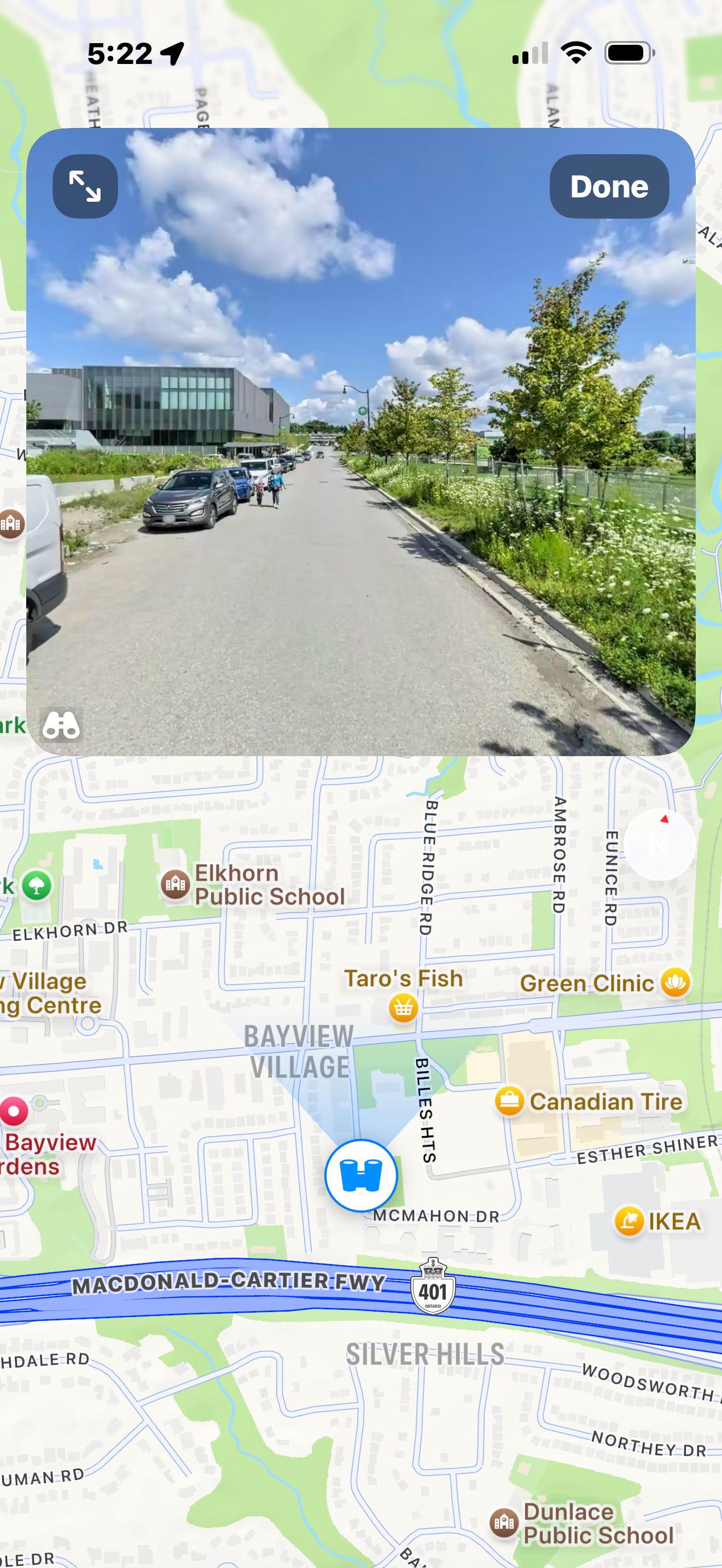
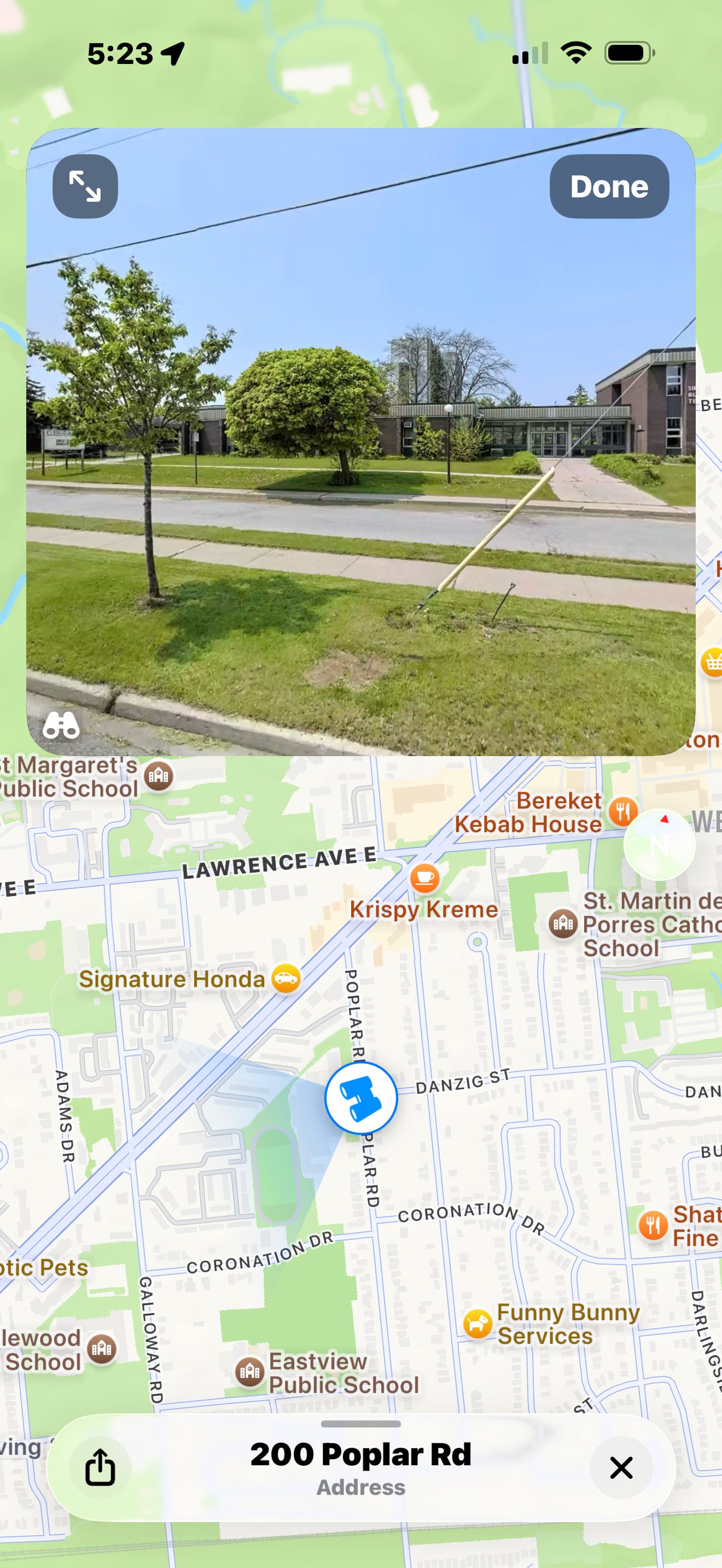
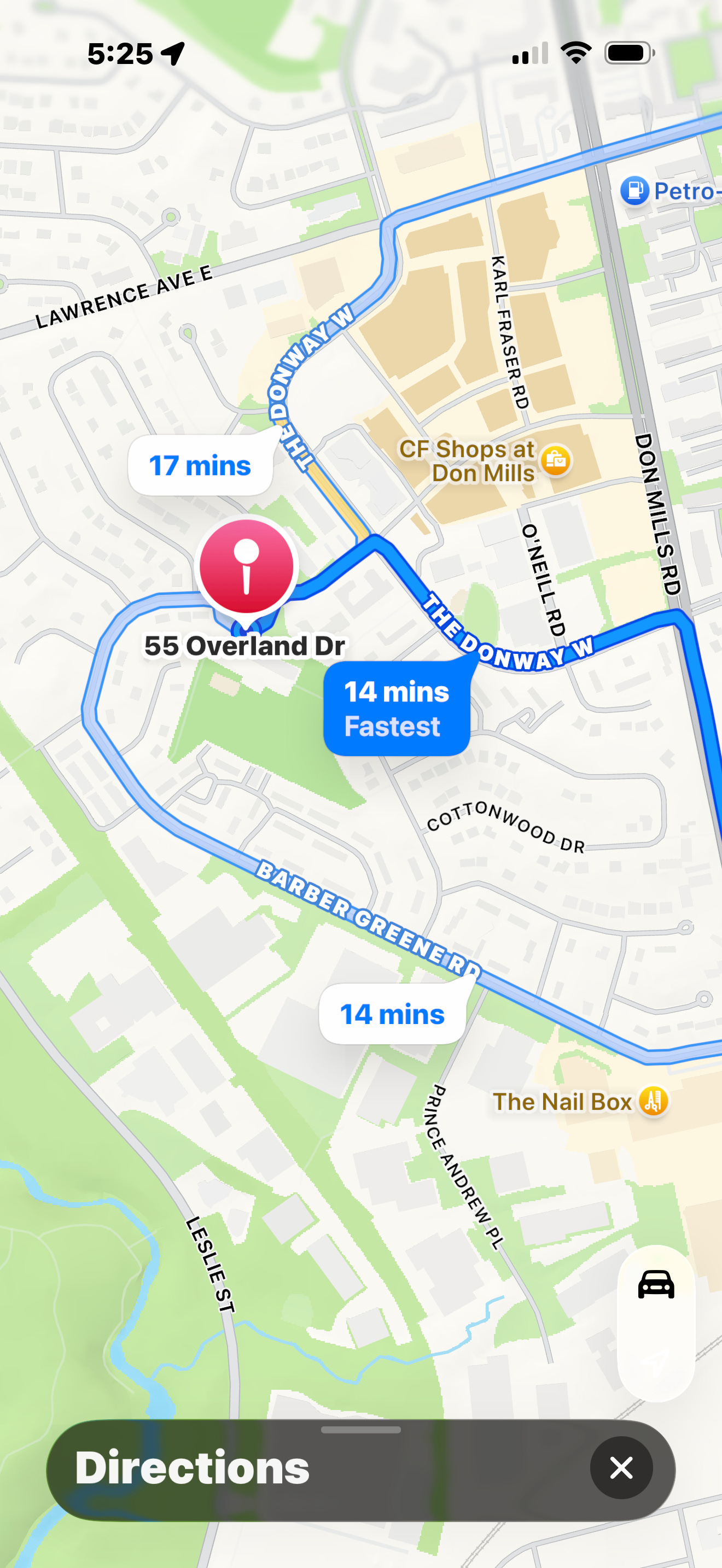
On June 19, TLC published a formal update confirming that a long-term care integration initiative was underway at three TDSB sites. The initiative had begun years earlier at St. Margaret’s Public School in Scarborough — a building where repair costs exceed the cost of a full rebuild — where TLC had developed a proposal to construct a new school and a long-term care facility on the same site, with most costs covered by a not-for-profit LTC partner. The Ministry of Education rejected it. Undeterred, TLC had received preliminary proposals from two additional not-for-profit long-term care providers for sites at 200 Poplar Road and 55 Overland Drive. A framework report was due to the TLC Board by end of 2025.
Connecting all three initiatives was a city-wide Memorandum of Understanding being negotiated between TLC, the TDSB, and the City of Toronto, committing to develop at least 20% of all residential units across eight TDSB properties as affordable rental housing in exchange for reduced development fees. The TDSB board was set to vote on it in fall 2025.
On June 27, 2025 — eight days after the long-term care update, fourteen days after the Ethennonnhawahstihnen’ design launch, seventeen days after the 705 Progress Avenue RFP — the Ford government imposed provincial supervision on the TDSB.
None of these projects have received a public update since.
The 705 Progress Avenue construction target of 2027 is now in doubt. The Ethennonnhawahstihnen’ business case was never submitted to the Ministry. The LTC framework report was never delivered. The affordable housing MOU was never voted on by the board.
A 29-year community commitment in Scarborough. A first-of-its-kind school design in North York. Long-term care partnerships that would have rebuilt crumbling schools at near-zero cost to the province. An affordable housing framework covering eight properties across Toronto.
All of it ready to move. All of it stopped on June 27, 2025.
Trustee Michelle Aarts, Ward 16, who helped build this strategy from 2018 to 2023, described the philosophy that drove it:
“We worked to shift the property management ethos and practices away from ‘basic real estate’ to ‘schools as community assets’ — that property value is optimized for the benefit of students, families, and communities, not simply to pad a real estate portfolio.”
The TLC’s own 2025-26 Annual Plan, endorsed by the TDSB board, described the Foundational Schools approach in identical terms: school properties serving as foundations for educational facilities and essential community services. The plan projected $72.8 million in property disposition revenue flowing transparently back into capital renewal. TLC was governed by an independent ten-member board that included four elected TDSB trustees — democratic accountability built directly into the land management structure.
That governance structure is now suspended. That revenue flow is now opaque. Those projects are now silent.
What the Ministry Did Instead
While the TDSB was executing this strategy, the province was systematically withholding the capital investment that would have made it more effective.
The Financial Accountability Office of Ontario found that 84.1% of TDSB buildings were below a state of good repair — the highest proportion among the ten largest boards in Ontario. The board’s maintenance and repair backlog stands at approximately $4.5 billion. In the province’s most recent capital investment round, the government funded 45 school building projects across Ontario. Not one was in the TDSB — the largest board in the country, serving nearly a quarter of a million students, with the worst building conditions in the province.
The province withheld the funding. The buildings deteriorated. The Ministry cited the deterioration as evidence of mismanagement.
Consider Secord Elementary School in East York. Designed for 591 students. Currently serving nearly 800. The oldest Port-a-Pack structure in Toronto — installed over 20 years ago and now beyond repair. The main building needs $8.6 million in repairs. The neighbourhood is adding 6,500 new housing units and enrollment is projected to grow by nearly 900 students by 2033. Year after year the TDSB submits a capital rebuild plan to the Ministry. Year after year the Ministry declines.
St. Margaret’s followed the same pattern. The board brought the province a self-financing solution — a new school and a long-term care facility, most costs covered by an LTC partner. The Ministry said no. Then cited the resulting problem as justification for takeover.
Aarts put the systemic consequence plainly:
“There are swaths of housing outside Toronto that the province allowed to go ahead that have no access to schools, stores, amenities, or services — this approach created long-term problems for the municipality, service providers, and the homeowners.”
The Takeover
In June 2025, "A PricewaterhouseCoopers investigation commissioned by the Ministry — the same Ministry seeking justification for supervision — identified a structural deficit driven by declining enrollment, rising costs, and provincial funding gaps. The Ministry imposed supervision anyway." — the same gaps documented in the TDSB’s own budget analysis showing $389.4 million in structural shortfalls, the overwhelming majority driven by Ministry underfunding.
The Ministry imposed supervision anyway.
Rohit Gupta, a finance professional with no education experience, was appointed supervisor. Within months, Director of Education Clayton La Touche — a well-respected leader with deep institutional knowledge — was fired. Ten months into a four-year contract.
Aarts noted the cost directly:
“Firing Mr. LaTouche only 10 months into a four-year contract will now incur significant unnecessary expenses to buy out the contract.”
The province that cited financial mismanagement as justification for supervision generated unnecessary costs in its first act of supervision. The projects TLC had spent years building toward went silent. Toronto Lands Corporation published no news updates after June 2025. The ten-member board that had governed $20 billion in public assets with democratic accountability — including four elected trustees — had its trustee members suspended.
The Appeal
In March 2026, it emerged that the TDSB — now operating entirely under ministerial control — had quietly filed an appeal against a City of Toronto decision that would have protected school lands from mid-rise redevelopment.
The city’s decision was standard urban planning. Protect school sites from being redesignated for towers of up to 14 storeys. Preserve community infrastructure in growing neighbourhoods.
The same board that had spent years negotiating affordable housing commitments with the city, building community partnerships across eight properties, and designing schools as anchors of complete communities — was now, under ministerial control, fighting the city’s attempt to protect school lands from developers.
Education Minister Paul Calandra made his position clear:
“What the TDSB is doing is ensuring that the asset value — its asset value — is maintained to the highest level. I would expect nothing less from not only the TDSB, but every school board across the province.”
Asset value. Maintained to the highest level.
Aarts responded directly:
“The Minister’s comments reflect someone who sees money and spreadsheets and not communities. His perspective cheapens schools and turns them into just parcels of land. It also fails to reflect urban planning principles and knowledge.”
She continued:
“The ‘community assets’ perspective is critical to the work to build collaboration and partnerships that benefit all stakeholders. This perspective does not devalue the land — it ensures TDSB is viewed as a trusted community partner and reflects that schools are part of the community.”
This is not a philosophical disagreement about language. It is a fundamental conflict about what public school land is for — and who gets to decide.
What Is Actually at Stake
The TLC’s 2025-26 Annual Plan describes the Foundational Schools initiative in language that reflects decades of careful urban planning thinking:
“School properties will serve as foundation for developing educational facilities and other essential community services.”
That document was approved by the TDSB board. It aligned explicitly with provincial planning regulations encouraging exactly this kind of community partnership. The province’s own policy framework called for it.
Then the province took over the board that was implementing it.
One third of Ontario’s schools — roughly 1,640 buildings — are now under provincial supervision. Eight boards captured. Trustees sidelined or silenced. TLC dark since June 2025. The Minister has stated publicly that trustees have no constitutional cover and that he has not heard any argument against eliminating them entirely. Nominations for municipal elections open May 1, 2026. Ford has not answered whether trustees will be on the ballot.
Meanwhile in Scarborough, a 29-year community commitment waits. In North York, a first-of-its-kind school design sits unfinished. In East York, Secord Elementary serves 200 children beyond its capacity in portables that are older than most of its students’ parents. At St. Margaret’s, a crumbling building that could have been rebuilt at near-zero cost to the province sits waiting for a Ministry that already said no once and has since taken over the board that asked.
The TLC website still carries its mandate. Preserve public assets. Build complete communities. Ensure student well-being.
That mandate was written by people who understood that schools are not parcels of land.
They are the places where communities begin.
Sources: Toronto Lands Corporation 2025-26 Annual Plan — torontolandscorp.com TLC Project Updates, June 10, 13, and 19, 2025 — torontolandscorp.com TLC Long-Term Care Integration Update, June 19, 2025 — torontolandscorp.com PwC Financial Investigation Report, June 2025 — ontario.ca Financial Accountability Office of Ontario TDSB Budget Appendix A — Summary of Unfunded/Underfunded/Overspent Areas, provided to TOG by Trustee Michelle Aarts, September 2025 Trustee Michelle Aarts, Ward 16, Beaches-East York, in direct communication with TOG TorontoToday, March 2026 Global News, December 2025 Beach Metro Community News, January 2026 Secord Now community petition, Beach Metro Community News, October 2025